Check the website’s URL carefully. Legitimate pharmaceutical sites usually have secure connections (HTTPS) and credible domain names. Suspicious sites often use similar-sounding URLs to mimic real brands.
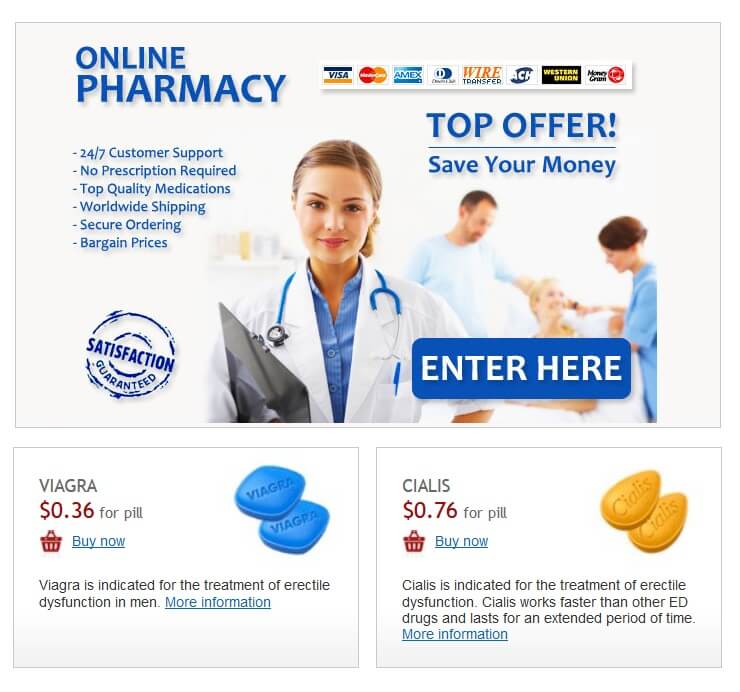
Examine the website’s content. Look for grammatical errors, unprofessional design, and unrealistic promises of quick, guaranteed results. Genuine medical information avoids hyperbole.
Scrutinize testimonials. Fake testimonials often lack specific details or use generic language. Legitimate testimonials may provide verifiable contact information.
Investigate the “About Us” section. Scams often lack detailed information about the company’s location, contact details, or licensing. Trustworthy businesses are transparent.
Research the company online. Search for reviews and complaints. Many scam websites have numerous negative reports on review platforms.
Be wary of pressure tactics. Legitimate businesses don’t use high-pressure sales techniques or aggressive marketing to force purchases.
Verify payment methods. Avoid sites that only accept untraceable payment options like wire transfers or cryptocurrency. Reputable companies offer diverse, secure payment methods.
Consult your doctor. Always discuss treatment options with a qualified healthcare professional before buying medication online.